
Choosing between folding cartons and rigid boxes is a pivotal decision that impacts everything from your production budget to the customer’s unboxing experience.
Understanding the Basics
Before diving into the comparison, it’s important to define our terms. In the packaging industry, “folding” and “rigid” refer to the structural design and material thickness of the box.
What are Folding Boxes?
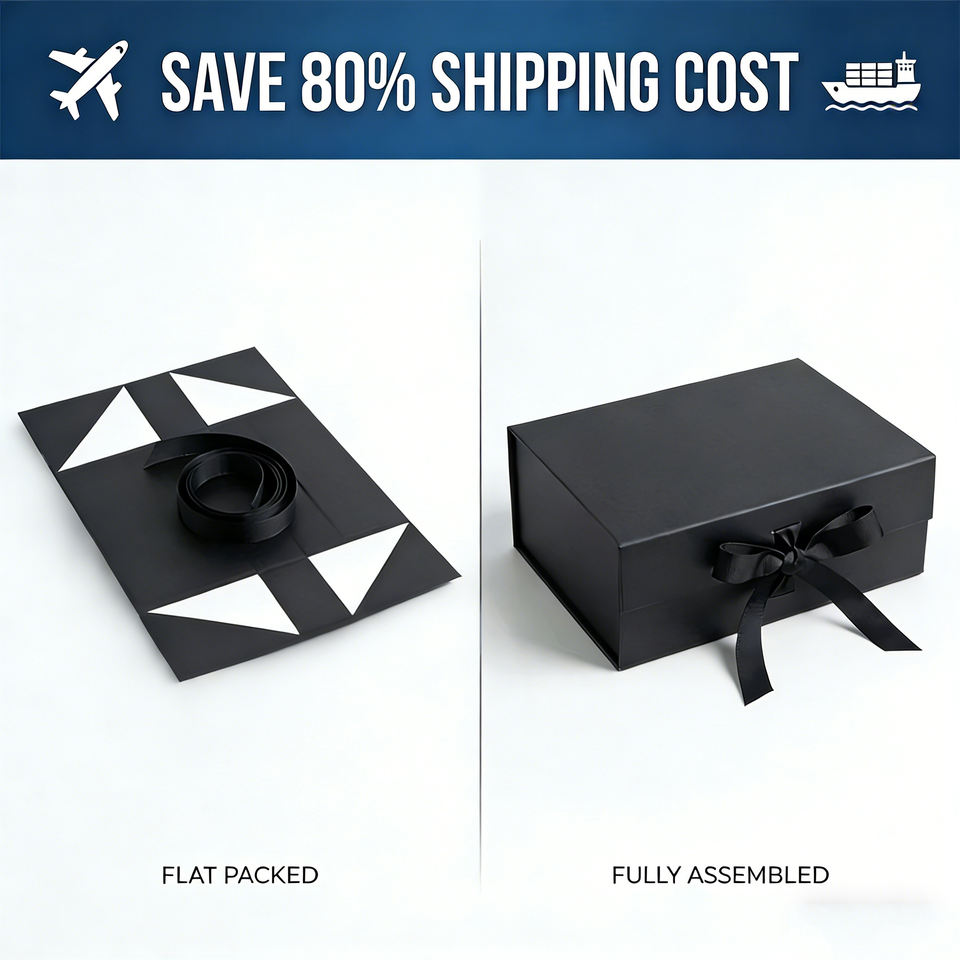
Folding boxes, often called folding cartons, are made from a single layer of paperboard (typically 250gsm to 400gsm). They are shipped flat and “folded” into shape at the point of use. Modern designs include magnetic folding boxes, which offer a premium feel while maintaining the space-saving benefits of traditional cartons. They are versatile, cost-effective, and ideal for e-commerce and high-volume retail.
What are Rigid Boxes?
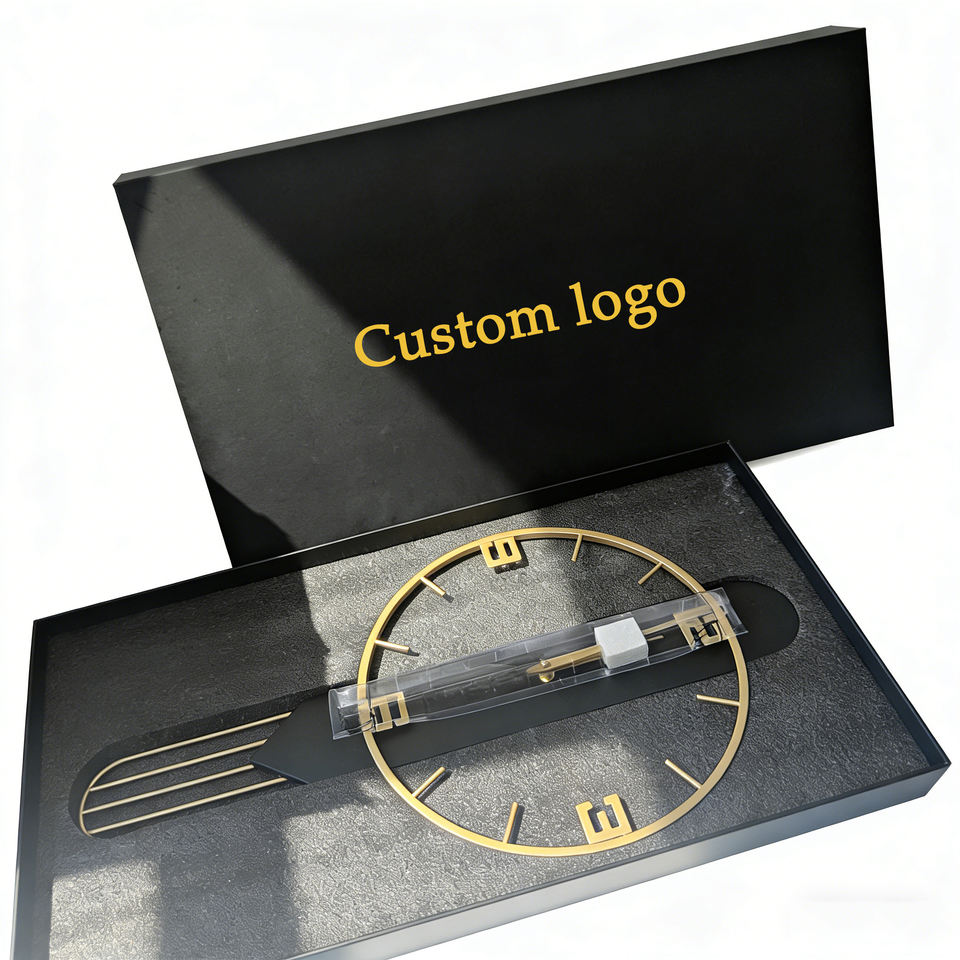
Rigid boxes, or “set-up boxes,” are constructed from heavy greyboard (1000gsm+) wrapped in decorative art paper. Unlike folding boxes, they do not collapse. Common styles include lid-and-base boxes (like iPhone packaging) and drawer boxes. They offer maximum protection and a sense of luxury that is unmatched by thinner paperboard.

Side-by-Side Comparison
To help you decide, let’s look at the key factors side-by-side:
- Production Cost: Folding boxes are significantly cheaper to produce due to faster automated manufacturing.
- Shipping Volume: Folding boxes ship flat, meaning you can fit 5-10 times more units in a single container compared to rigid boxes.
- Perceived Quality: Rigid boxes are the gold standard for luxury. They feel substantial and are often kept by consumers for storage.
- Minimum Order Quantity (MOQ): Folding boxes often have lower MOQs for standard sizes, whereas rigid boxes require more manual assembly, often necessitating higher minimums.
When to Choose Folding Boxes
Folding boxes are the best choice for brands that need to balance quality with high shipping costs. They are perfect for skincare, pharmaceuticals, tea, and lightweight apparel. If you are an e-commerce brand shipping globally from China, the savings on logistics alone can be a game-changer. The ability to ship flat means your warehousing costs are also drastically reduced.
When to Choose Rigid Boxes
If your product is high-value, fragile, or positioned as a luxury item, rigid boxes are essential. Electronics, jewelry, watches, and high-end cosmetics benefit from the structural strength and “premium weight” of a rigid box. The unboxing experience of a rigid box creates a “wow” factor that justifies a higher product price point.
Hybrid Solutions: The Best of Both Worlds?
In 2026, many brands are opting for “collapsible rigid boxes.” These use thick greyboard but are engineered with scores and adhesive strips so they can be shipped flat and “popped up” into a rigid box. While more expensive than a simple folding carton, they offer the luxury feel of a rigid box with the shipping efficiency of a folding one.
Real-World Cost Example
Consider an order of 1,000 boxes (20x15x10cm). Shipping traditional rigid boxes from China might require 4-5 cubic meters of space. Shipping the same quantity of folding boxes would take up less than 1 cubic meter. This difference can save a brand approximately 50-70% in total logistics costs, directly impacting the bottom line.
Frequently Asked Questions
Q: Can folding boxes have magnetic closures?
A: Yes! Modern folding boxes can be designed with hidden magnets in the lid and front flap, providing a premium “snap” closure while still being able to ship flat.
Q: Which box type is better for protecting glass bottles?
A: Rigid boxes offer superior protection due to their thick greyboard walls. However, a folding box with a custom-engineered corrugated insert can also provide excellent protection at a lower cost.
Q: What is the typical lead time for rigid boxes?
A: Because they require more manual assembly (wrapping the paper around the board), rigid boxes typically have a lead time of 15-20 days, whereas folding boxes can be produced in 10-12 days.
Q: Are rigid boxes recyclable?
A: Yes, provided they are made from paper and greyboard. However, if they use plastic laminations or magnets, these components should ideally be removed before recycling.
Q: How do I know which one fits my budget?
A: As a rule of thumb, if your box budget is under $1.00 per unit for 1000 units, you should look at folding cartons. Rigid boxes typically start at $1.50-$2.50+ depending on size and finishes.
Ready to Create Your Custom Packaging?
Aopa Packaging has 18+ years of experience helping brands worldwide. Get a free quote and sample today.