Selecting the right packaging material is one of the most critical decisions a brand owner can make in 2026. Beyond just aesthetics, your choice impacts product safety, shipping costs, and environmental compliance.

Why Packaging Material Matters
In today’s competitive landscape, packaging is more than a container; it’s a touchpoint. For B2B buyers and retail consumers alike, the material choice communicates brand values. Using a flimsy material for a premium product can damage brand perception, while over-engineering a mass-market product’s box can lead to unnecessary costs. Moreover, with the 2026 sustainability regulations, choosing materials that are recyclable or FSC-certified is no longer optional—it’s a requirement for market entry.
Common Materials in Modern Packaging
Understanding the core materials available is the first step toward creating effective packaging. Here are the industry standards:
Greyboard (Chipboard)
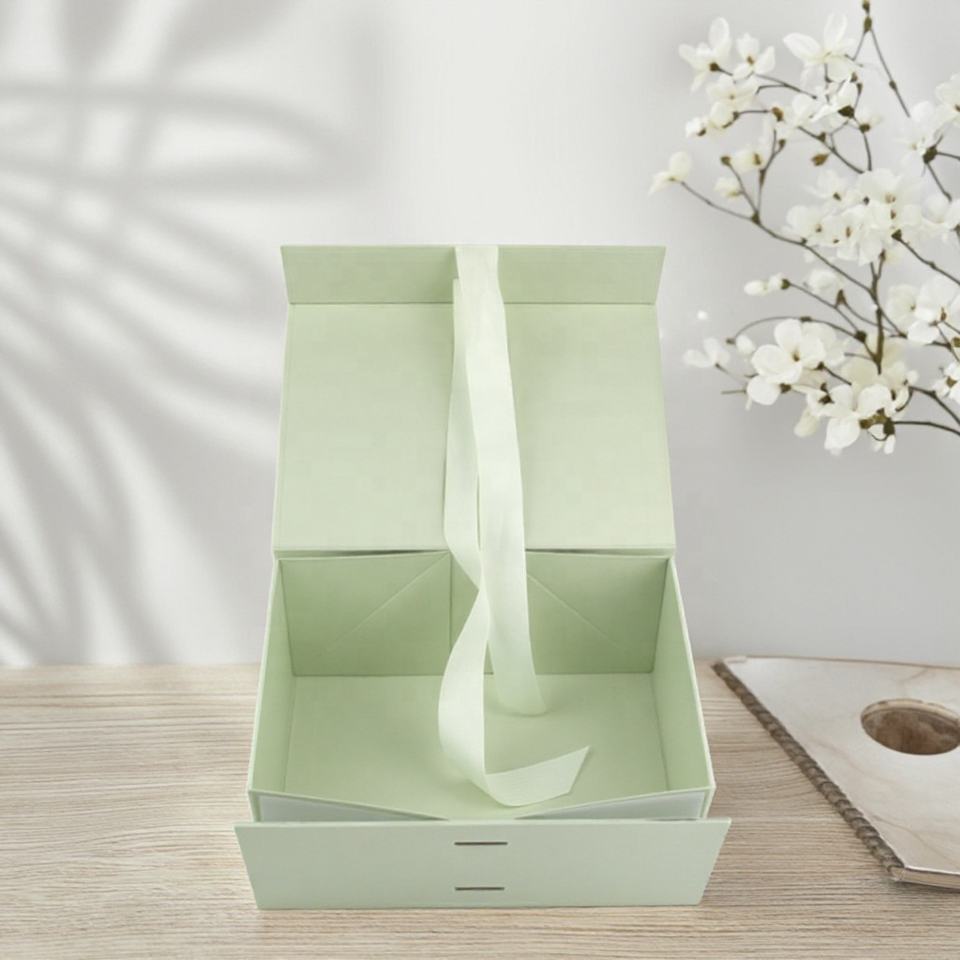
Greyboard is the backbone of rigid boxes. It is made from recycled paper and is extremely sturdy. It comes in various thicknesses, typically measured in GSM (grams per square meter) or millimeters. For luxury gift boxes, we often use 1200gsm to 1800gsm greyboard to ensure a high-end, solid feel that protects fragile items during transit.
Kraft Paper
Kraft paper is favored for its natural look and exceptional strength. Available in brown or white, it is highly tear-resistant and biodegradable. It is the go-to choice for brands aiming for an eco-friendly or rustic aesthetic. Kraft paper is also surprisingly versatile, working well for both folding cartons and heavy-duty shipping boxes.
Art Paper and Specialty Papers
Art paper is a coated paper used primarily as a wrap for greyboard in rigid boxes or for high-quality folding cartons. It provides a smooth surface that is ideal for vibrant color printing and complex surface finishes like UV coating or foil stamping. Specialty papers, on the other hand, offer unique textures and colors, such as linen, leatherette, or metallic finishes, providing an immediate tactile advantage.
Material Weight Guide: 250gsm vs 1500gsm
The weight of the paper dictates its application. A 250gsm art paper is flexible and lightweight, perfect for pharmaceutical boxes, cosmetic cartons, or inner product dividers. In contrast, 1500gsm greyboard (usually about 2mm thick) is used for the structural walls of premium rigid boxes, such as those used for electronics, jewelry, or high-end spirits. Choosing the right weight ensures your packaging is neither too heavy (which increases shipping costs) nor too fragile.
The Sustainability Factor: FSC and Recycled Materials
Sustainability is a core pillar of 2026 packaging trends. FSC (Forest Stewardship Council) certification ensures that the paper comes from responsibly managed forests. Using FSC-certified art paper or kraft paper allows brands to print the FSC logo on their packaging, which significantly boosts consumer trust. Biodegradable and recycled content options are also increasingly popular, as they align with global efforts to reduce plastic waste and promote a circular economy.
Matching Material to Your Product
When selecting materials, consider the “Luxury vs. Mass Market” spectrum. Luxury items require heavy greyboard, soft-touch laminations, and intricate finishes. Mass-market items might prioritize cost-efficiency with lightweight white cardboard or corrugated paper. The goal is to find the “Goldilocks” zone: packaging that protects the product, reflects the brand, and stays within budget.
Frequently Asked Questions
Q: What is the standard thickness for a luxury gift box?
A: Most luxury rigid boxes use a greyboard core between 1200gsm (approx. 1.8mm) and 1500gsm (approx. 2.2mm). This provides the necessary structural integrity and “heft” associated with premium products.
Q: Is FSC-certified paper much more expensive?
A: Generally, FSC-certified paper carries a small premium of 5% to 10%. However, many retailers now require FSC certification, making it a necessary investment for many brands.
Q: Can I use kraft paper for high-detail color printing?
A: While kraft paper has a textured surface that absorbs ink differently than art paper, modern printing techniques allow for excellent results. However, colors may appear more muted. For vibrant, photographic quality, art paper is recommended.
Q: What is the MOQ for custom material weights?
A: Standard weights (like 350gsm or 1200gsm) usually have lower MOQs (typically 500-1000 units). Non-standard or custom-ordered weights may require MOQs of 3000 units or more depending on the paper mill.
Q: How long does it take to source specialty papers?
A: Standard art and kraft papers are usually in stock. Specialty papers with unique textures or colors may add 7-10 days to the production lead time.
Ready to Create Your Custom Packaging?
Aopa Packaging has 18+ years of experience helping brands worldwide choose the perfect materials for their products. Get a free quote and sample today.